
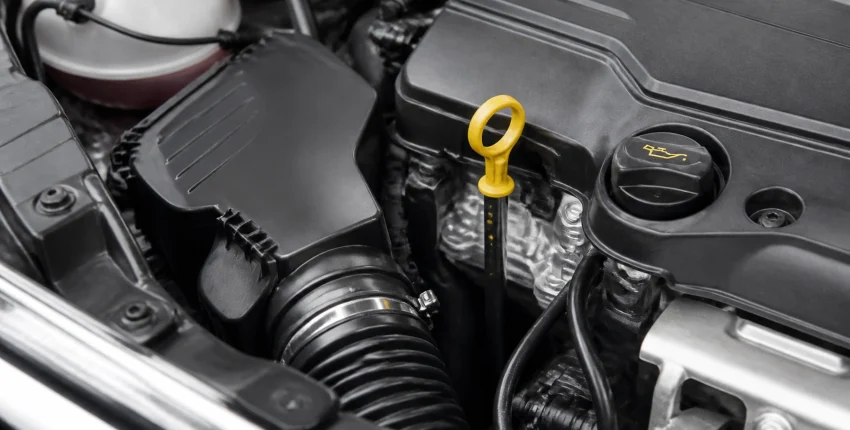
Let’s be honest: watching the numbers climb at the gas pump in Tempe is enough to make anyone’s heart sink. Whether you’re commuting down the Loop 101 or just running errands near Arizona State University, fuel costs are a constant line item in the budget. While many drivers look toward driving habits or lighter footwork to save a few bucks, the real secret to squeezing every possible mile out of a gallon of gas starts right under your hood.
Maintenance isn’t just about preventing a breakdown; it’s about efficiency. When your car is struggling against friction, heat, or poor airflow, it consumes more energy to maintain speed. Think of it like trying to run a marathon while wearing a heavy backpack: you can do it, but you’re going to burn through your energy reserves a lot faster. At Rob’s Auto Repair, we see how regular upkeep directly impacts the wallet.
If you’re looking for a way to fight back against rising costs, start with these five essential maintenance tips. From picking the right oil for the Arizona heat to keeping your tires at the perfect pressure, these small changes provide an instant boost to your gas mileage.
1. Choose the Right Viscosity for the Arizona Heat
When you pull into a shop for a Tempe AZ oil change, the most important decision isn’t just “synthetic or conventional,” but rather the weight (or viscosity) of the oil. Viscosity refers to how thick or thin the oil is at different temperatures. In a place like Tempe, where summer temperatures regularly soar past 110°F, your engine oil has a massive job to do.
Modern engines are designed with incredibly tight tolerances. They rely on thin, high-tech oils like 0W-20 or 5W-30 to lubricate moving parts without creating unnecessary drag. If you use an oil that is too thick, the engine has to work harder to pump that “sludge” through its internal channels. This resistance is a direct hit to your fuel economy.
However, there is a balance to strike. While thinner oil is generally better for gas mileage (it can offer a 1-2% boost in efficiency), it needs to be able to withstand the brutal Arizona heat without thinning out too much. Most modern full-synthetic oils are engineered to handle both. Always stick to the viscosity recommended in your owner’s manual. Some drivers think that “thicker is better” for protection in the heat, but unless you’re towing a heavy trailer through the Superstition Mountains, moving to a thicker grade than what the manufacturer suggests will only lead to more stops at the gas station.
2. Stick to a Strict Maintenance Interval
Friction is the ultimate enemy of fuel efficiency. Over time, engine oil breaks down. It loses its ability to lubricate effectively, and it begins to collect microscopic debris and carbon deposits. When your oil is old, the internal components of your engine experience more friction, which generates more heat and requires more fuel to overcome that resistance.
Consistency is key. If you wait until your oil looks like dark molasses, you’ve already been losing money at the pump for weeks. Regular routine car maintenance ensures that your engine is always bathed in clean, slippery lubricant.
For most Tempe drivers, we recommend a 5,000-mile interval for full synthetic oil, especially given our “severe” driving conditions (which include extreme heat and frequent stop-and-go traffic). By keeping your oil fresh, you ensure that the pistons, crankshaft, and camshafts move with as little resistance as possible, allowing your engine to focus its energy on moving the car, not overcoming its own internal friction.

3. Don’t Let a Dirty Air Filter Stifle Your Engine
Your engine needs two things to create power: fuel and air. If the air filter is clogged with the dust and desert grit common around Tempe, the engine has to work harder to “breathe.” In older, carbureted cars, a dirty air filter would cause the engine to run “rich,” dumping too much fuel into the mix and destroying gas mileage.
In modern fuel-injected vehicles, the onboard computer is smart enough to adjust. If it senses less air coming in, it adjusts the fuel delivery to keep the ratio correct. While this means your MPG might not take a massive 20% hit like it used to in the old days, a severely clogged filter still kills your performance and forces the engine to struggle under load.
Check your air filter every time you get a Tempe AZ oil change. If you can’t see light through it, or if it’s covered in a layer of Arizona silt, swap it out. It’s one of the cheapest ways to ensure your engine is operating at peak efficiency. Plus, if your car is struggling to breathe, you might notice a check engine light, which is your car’s way of begging for a little attention.
4. Check Your Tire Pressure (The “Cold” Rule)
This is perhaps the most overlooked factor in gas mileage. Your tires are the only part of your car that touches the road, and they create “rolling resistance.” If your tires are even just a few pounds under-inflated, that resistance increases significantly. It’s like trying to ride a bicycle with flat tires: you have to pedal much harder just to keep moving.
According to the Department of Energy, you can improve your gas mileage by up to 3% by keeping your tires inflated to the proper pressure. In Arizona, temperature swings play a huge role in this. For every 10-degree drop in temperature, your tires can lose about 1 PSI. Conversely, driving on hot asphalt can cause the air inside to expand.
Always check your tire pressure “cold”: meaning first thing in the morning before you’ve driven more than a mile or two. Use the recommended PSI found on the sticker inside your driver-side door jamb, not the “max pressure” listed on the tire itself. Properly inflated tires don’t just save gas; they also wear more evenly and stay cooler, which is vital for preventing blowouts during our blistering summers.
5. Invest in a Clean Fuel System
Over time, carbon deposits can build up on your fuel injectors. These injectors are precision instruments designed to spray a fine mist of fuel into the combustion chamber. When they get dirty, that mist turns into a sloppy stream or a “dribble.” This leads to incomplete combustion, which means you aren’t getting the full energy potential out of the fuel you just paid for.
A professional fuel system cleaning, often handled as part of complete auto repair services, removes these deposits and restores the spray pattern. When the fuel atomizes correctly, it burns cleaner and more efficiently. You’ll notice smoother idling, better throttle response, and, most importantly, a noticeable improvement in your miles per gallon.
If your car feels a bit sluggish or you’ve noticed your mileage dipping despite your best efforts, your injectors might be the culprit. Keeping the “pipes” clean ensures that every drop of gas is converted into motion rather than waste.
Conclusion
Maximizing your gas mileage doesn’t require a brand-new hybrid or a lifestyle change. It’s about respect for the machine. By paying attention to the details: the viscosity of your oil, the cleanliness of your filters, and the pressure in your tires: you can reclaim the efficiency your car was designed to have.
At Rob’s Auto Repair, we pride ourselves on helping Tempe drivers keep their vehicles running at peak performance. Whether you need a quick Tempe AZ oil change or a comprehensive diagnostic check, our ASE Master Certified team is here to provide honest, transparent service. We believe in doing the job right the first time so you can spend less time at the shop and less money at the pump.
Ready to boost your MPG and ensure your car is ready for the road? Stop by or give us a call today. Let’s get your vehicle running efficiently so you can get back to enjoying the drive.